

Growth in satellite internet and advances in infrastructure are turning space into a practical global asset
Market attention is fixated on rumours of SpaceX going public through an Initial Public Offering (IPO) sometime in mid-2026, potentially at a staggering $1.5 trillion valuation – one of the largest listings ever. One must be careful not to solely place emphasis on the potential IPO. Zooming in on the IPO alone misses the bigger picture: the space sector is maturing into essential infrastructure, much like railways transformed transport or fibre optic cables revolutionised communication in past decades.
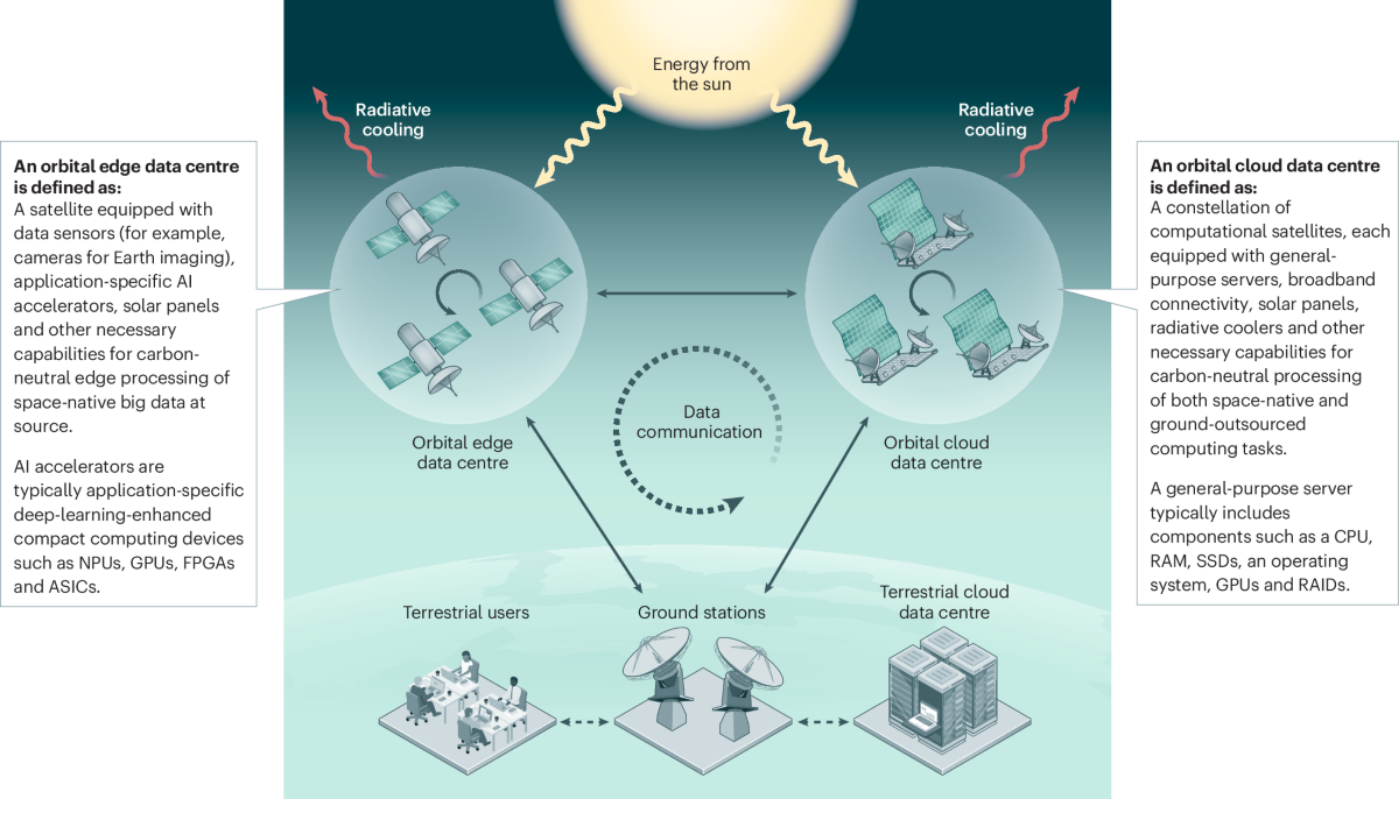
A key signal came in February 2026, when SpaceX merged with Elon Musk’s artificial intelligence company, xAI (valuing the combined business at around $1.25 trillion). This deal is about vertical integration and a deliberate strategy to combine SpaceX’s launch and satellite strengths with AI computing power. The explicit aim is to build space-based AI data centres that leverage constant solar power and zero-gravity cooling, thus mitigating AI’s terrestrial energy constraints. This positions the entity as a new kind of utility – spanning orbit, connectivity and intelligence.
SpaceX Leading the Way
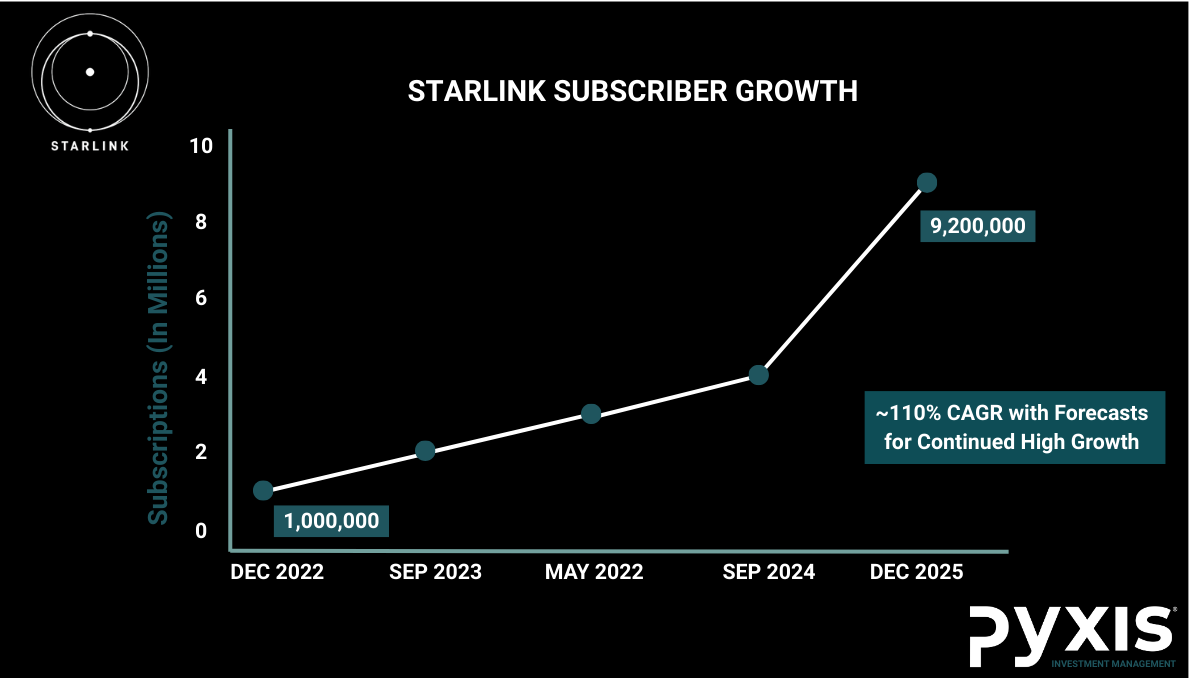
SpaceX continues to push forward, with its next big rocket test (the 12th Starship flight) targeted for March 2026. This improved version is built for repeated use, allowing for more frequent trips at a lower cost. Recent approvals from the Federal Aviation Administration (FAA) allow up to 44 launches a year from Florida, helping deploy more advanced Starlink satellites faster. These upgrades could add far more internet capacity per launch than before, expanding reliable high-speed connectivity worldwide. This progress is already delivering results. Starlink, SpaceX’s satellite internet service, has seen explosive demand, reaching almost 10 million active global subscribers as of December 2025. The service is now available in over 150 countries and territories, proving there is a vast, tangible market for space-based internet.
Although NASA’s Artemis II mission (a crewed flight around the Moon) has been delayed to no earlier than April 2026 due to technical checks, it is evident that government and private companies are working together to provided stable support while testing the technology for bigger ambitions.
Other players are adapting: Virgin Galactic is moving toward higher-frequency research flights later in 2026, while Blue Origin focuses on lunar projects. New commercial space stations (such as those from Vast and Starlab) are progressing toward launches in 2026-2027, opening doors for research, manufacturing in zero gravity, and long-term orbital operations.
Space as Essential Infrastructure
According to Novaspace’s latest report, the global space economy reached about $626 billion in 2025 and is expected to grow to over $1 trillion by 2034. This is roughly twice the pace of overall global economic growth. The main drivers fall into three practical areas:
|
1. Global Connectivity |
Satellite networks like Starlink deliver internet to remote areas, ships, planes, and underserved regions. The satellite internet market alone is projected to grow from around $14 billion in 2026 to over $64 billion by 2036, creating steady, high-margin revenue streams. |
|
2. Earth Observation and Security |
Satellites provide critical data for weather forecasting, farming, climate monitoring, and defence. This generates reliable income from governments and businesses. |
|
3. Access to Orbit |
Reusable rockets make launching cheaper and more frequent, supporting the “tools” of the space economy: building and maintaining satellites, ground stations, and future infrastructure. |
Advances in human spaceflight (like upcoming tests) help improve the technology, but the real value today comes from these practical, revenue-generating uses. It is apparent that there is a clear investment case for these initiatives.